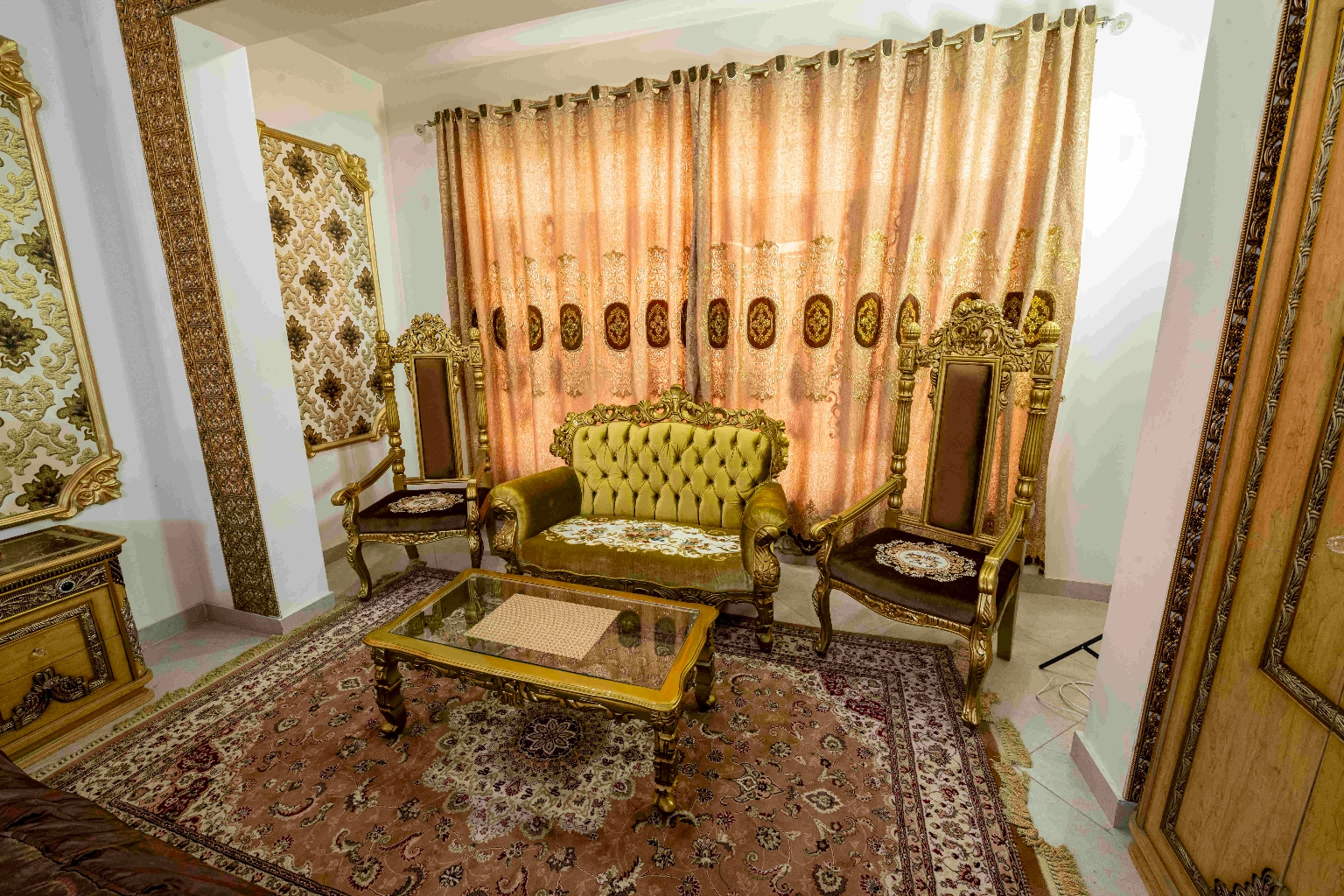
Commercial Photoshoot Checklist for Clothing, Accessories & Lifestyle Brands 2026
Introduction to Modern Brand Photoshoots in 2026
In today’s competitive market, a bold visual strategy is the foundation of every successful brand, making product photo shoot planning more crucial than ever for businesses aiming to stand out. With consumer attention spans shorter and digital platforms more crowded, strong imagery has become a primary communication tool for fashion, accessories, and lifestyle labels. As a result, modern Brand photoshoots are not just about taking pictures—they’re about crafting an identity, telling a story, and influencing buying decisions instantly.
Why Visual Content Matters More Than Ever
High-quality visuals directly shape a customer’s perception of your brand. In 2026, shoppers rely heavily on images to evaluate quality, style, authenticity, and brand trust. Whether customers encounter your products on Instagram, TikTok, e-commerce stores, or digital ads, the imagery acts as your brand’s first impression—and often determines whether they click, browse, or buy
.
Trends Shaping Modern Commercial Photography
Commercial photography in 2026 reflects clean aesthetics, bold creativity, and technology-enhanced production. Minimalist setups, luxury-inspired compositions, sustainability-driven aesthetics, and lifestyle-infused storytelling dominate the industry. Brands are leaning toward realistic, relatable visuals that feel premium yet approachable. With more people shopping online, the demand for crisp detail, accurate color tones, and emotion-driven visuals continues to rise.
The Role of AI in High-Performing Visual Strategy
AI has become a game changer—transforming how brands plan, shoot, and optimize their visuals. From generating concept mood boards to selecting ideal color palettes, predicting trending styles, and offering real-time composition assistance during shoots, AI simplifies what once took days of manual planning. It also helps brands understand which visuals convert better based on audience behavior and market trends. As a result, businesses can create impactful photoshoots faster, more accurately, and with significantly higher ROI.
Understanding Your Brand Identity Before the Brand Photoshoots
Successful visual storytelling begins with a clear understanding of who your brand is, which is why every modern Brand photoshoots must start with a deep dive into identity, message, and emotional impact. Without this foundation, even the most expensive setups or advanced tools fail to create images that convert. A strong identity ensures that every image—from product close-ups to lifestyle sequences—communicates consistency, professionalism, and trust.
Defining Tone, Personality & Visual Direction
Before planning concepts or choosing props, brands must define their tone and personality. Are you minimalistic or bold? Playful or luxurious? Earthy, futuristic, youthful, or premium? The answers guide every creative choice, including color palettes, lighting, backgrounds, model selection, and styling. Your visual direction must reflect brand values—whether sustainability, elegance, innovation, or comfort. This clarity also helps maintain consistency across all platforms, from websites to social media ads.
How AI Mood Boards Improve Creative Clarity
AI-powered mood boards are now essential tools for shaping direction and eliminating guesswork. Instead of manually collecting references, AI systems analyze your brand identity and generate cohesive themes, color combinations, and composition ideas. These mood boards help teams—photographers, stylists, and marketers—share a unified creative vision. They also allow you to test multiple styles, compare visual directions, and choose the one that aligns best with your brand tone and future goals.
Aligning Visuals With Your Target Audience
A successful photoshoot reflects what your audience wants to see, not just what the brand prefers. AI tools help analyze demographics, interests, shopping habits, and visual preferences of your market. Whether your audience prefers polished studio looks or relatable lifestyle scenes, aligning with these expectations ensures stronger engagement and higher conversion rates. When visuals accurately represent your customers' aspirations and values, your photoshoot instantly becomes more impactful.
Pre-Production Planning for a Successful Product Photo Shoot
A flawless visual campaign begins long before the camera turns on, which is why proper planning is essential for every professional product photo shoot aimed at brand growth and consistency. Strong pre-production ensures that the creative team, marketing goals, and brand identity align perfectly. Without this step, shoots become chaotic, budgets skyrocket, and the final images may lack cohesion. Pre-production is where ideas turn into structured plans that guarantee an efficient, on-brand, and high-impact photoshoot.
Building Effective Shot Lists, Checklists & Creative Guidelines
The first step in pre-production is developing detailed shot lists that define exactly what needs to be captured. This may include hero shots, lifestyle images, flat lays, close-ups, packaging highlights, and stylistic variations. Checklists ensure no essential image or angle is missed, especially for ecommerce platforms that require consistency. Creative guidelines help unify colors, lighting, compositions, and props, ensuring the final images reflect the brand’s tone and message.
Using AI Tools for Scheduling & Workflow Management
AI-powered tools now streamline the entire pre-production process. They help automate scheduling by predicting the best time slots based on weather conditions, lighting patterns, team availability, and location requirements. Workflow tools manage task assignments, deadlines, and revisions so the shoot stays organized from start to finish. AI can even identify potential challenges, such as mismatched props or insufficient lighting, and suggest solutions before the shoot day arrives.
Budget Allocation for Styling, Locations & Models
A well-planned budget prevents overspending and ensures every visual element supports the brand purpose. Allocate funds for styling—including clothing, accessories, props, and product preparation. Consider location fees for studios or outdoor spaces and plan model costs based on experience, usage rights, and brand fit. AI budgeting tools help estimate overall expenses, compare prices, and identify cost-saving opportunities without compromising quality. This ensures your visual campaign delivers high-impact results at a manageable cost.
Choosing the Right Locations for Clothing & Lifestyle Product Photo Shoots
Understanding the Role of Location
In the world of modern branding, choosing the perfect setting for Clothing & Lifestyle Product Photo Shoots plays a major role in shaping how audiences perceive your products. The location serves as the silent storyteller, influencing mood, style, and overall visual impact. Whether you aim for premium, casual, sporty, or earthy aesthetics, the backdrop must align with the message your brand wants to communicate.
Indoor vs. Outdoor Considerations
Indoor shoots allow full control over lighting, props, and background consistency. They are ideal for brands seeking polished, clean, or luxury-focused imagery. Studios also help maintain uniformity across product lines. On the other hand, outdoor shoots introduce natural elements, dynamic lighting, and vibrant scenery. These locations are great for lifestyle brands wanting authenticity, warmth, or a story-driven approach. However, outdoor sessions require flexibility due to weather, crowding, and time-of-day lighting changes.
How Locations Affect Brand Perception
An elegant indoor loft signals sophistication, while a rooftop or street setting reflects urban energy. A beach, forest, or farmhouse background gives a natural, free-spirited vibe. Choosing the right environment helps customers instantly understand the tone of your brand. The location doesn’t just complement the product—it enhances its personality and emotional value.
Using AI Location-Matching Tools
Today, AI-powered location-matching tools simplify the selection process by analyzing your brand’s colors, mood boards, product style, and audience demographics. These tools can recommend ideal places, predict lighting outcomes, and even generate sample shots before the actual shoot. This reduces trial and error, saves time, and ensures that every captured frame supports your brand story with precision.
Essential Props, Styling & Set Design for Brand Photoshoots
How Props Enhance Visual Storytelling
When planning modern visual campaigns, choosing the right elements for Essential Props, Styling & Set Design for Brand Photoshoots can transform simple images into compelling brand stories. Props are not just accessories—they guide the viewer’s attention, add depth, and visually communicate product purpose. Whether it’s a coffee mug beside a planner, plants around skincare items, or tech accessories around gadgets, props create mood and context. The key is to use them intentionally so they support, not distract from, the main product.
Matching Styling With Brand Identity
Styling is where the brand’s personality becomes visible. Clean, minimalist styling works well for premium or modern brands, while vibrant, textured setups suit lifestyle or youth-focused labels. Colors, textures, fabrics, and even the arrangement of objects must match your brand identity. Consistency in styling across campaigns strengthens brand recognition and helps customers instantly identify your aesthetic. Whether you prefer soft pastels, bold brights, or earthy neutrals, every styling decision should reflect your core message.
Designing a Set That Tells a Story
A thoughtfully designed set controls the visual environment. Backgrounds, surfaces, lighting angles, shadows, and negative space all contribute to the final look. A well-designed set can evoke emotions such as luxury, comfort, adventure, or creativity. Using layered surfaces, textured backdrops, or modular props helps create dimension and keeps the scene visually engaging.
AI-Based Color Palettes & Backdrop Suggestions
AI tools now offer smart assistance by generating color palettes based on brand guidelines, product tones, or mood boards. These tools also suggest backdrops—from studio neutrals to lifestyle environments—ensuring harmony across your visuals. With AI, you can preview different combinations before the shoot, saving time and allowing for more precise aesthetic planning. This makes every frame aligned with the brand’s overall visual language.
Model Preparation for Clothing & Accessories Product Photo Shoots
Wardrobe Coordination
Preparing models for successful Clothing & Accessories Product Photo Shoots begins with thoughtful wardrobe coordination. This includes selecting outfits that match the brand’s color palette, seasonal theme, and target audience. Clothing should be steamed, fitted properly, and paired with appropriate accessories such as belts, shoes, or hats. Coordinators must ensure there are backup outfits, variations for layering, and styling notes approved by the brand. Maintaining consistency across all looks helps create a unified visual identity for catalogs, e-commerce listings, or lifestyle campaigns.
Safe, Non-Romantic Posing Guidelines
Posing for fashion and accessory campaigns should always remain professional, comfortable, and non-romantic. The focus is on showcasing the product, not creating intimate scenarios. Safe poses include standing neutrally, walking motions, seated poses, interacting with props, adjusting clothing, or simple directional movements like looking over the shoulder. Expressions should stay natural and confident—smiling softly, maintaining a relaxed posture, or holding a product clearly. It is important that all models, especially younger ones, feel respected and in control of their environment throughout the shoot. Clear communication and gentle guidance ensure everyone feels comfortable on set.
AI-Generated Posing Ideas for Different Niches
AI tools offer helpful inspiration by generating pose suggestions tailored to niches such as streetwear, formal wear, activewear, or accessories-focused shoots. These prompts might include practical stance ideas for showing handbags, displaying footwear from multiple angles, or highlighting jewelry close-ups. AI also helps create pose variations that keep the shoot dynamic without repeating the same look. This allows photographers and creative teams to plan ahead, build structured mood boards, and maintain efficiency during the session. With AI support, brands can achieve consistent, professional poses while staying aligned with their visual identity.
Lighting, Angles & Composition Techniques for Commercial Brand Photoshoots
Understanding Soft vs. Hard Lighting
Mastering lighting is essential for professional Brand Photoshoots because it defines how textures, colors, and product details appear on camera. Soft lighting creates gentle shadows and an even, flattering look—ideal for clothing, skincare items, or lifestyle accessories. It minimizes harsh lines and helps fabrics appear smooth and natural. Hard lighting, on the other hand, adds contrast and drama. It works well when brands want to highlight structure, metallic finishes, or bold product shapes such as jewelry or handbags. Using diffusers, reflectors, and controlled lighting setups helps photographers shape the mood according to the campaign style.
Dynamic Angles for Clothing, Jewelry & Lifestyle Items
Angles play a major role in commercial visuals, especially for fashion and accessories. For clothing items, front, side, and 45-degree angles help capture the fit, flow, and structure. Jewelry benefits from close-up angles that emphasize shine and craftsmanship without overwhelming the model. Bags look best from slightly elevated perspectives to showcase depth and stitching details. Lifestyle items like sunglasses, scarves, or shoes can be photographed from low angles for a bold feel or top-down angles for catalog layouts. Keeping angles dynamic prevents the shoot from feeling repetitive while ensuring every product is represented clearly.
AI Tools for Real-Time Composition Feedback
AI-powered composition tools are transforming the way photographers plan and refine shots. These tools analyze framing, lighting distribution, symmetry, and balance in real time, helping creators adjust angles instantly for better results. Whether you're aligning a flat lay, capturing movement shots, or photographing layered outfits, AI can point out improvement areas such as cropped edges, uneven spacing, or incorrect focus points. This allows fashion and lifestyle brands to maintain high-quality visual consistency across all their product images. By integrating AI into the workflow, commercial shoots become faster, more precise, and visually stronger.
Conclusion:
In 2026, every successful product photo shoot relies heavily on AI to improve quality, speed, and overall profitability. AI tools streamline planning, enhance visual consistency, and help brands make smarter creative decisions. From selecting colors and props to optimizing lighting and composition, AI ensures each image supports stronger branding and better sales performance. Today’s Brand Photoshoots benefit from real-time feedback, predictive analytics, and automated workflows that reduce errors and save time. As the industry evolves, learning AI-powered photography has become essential, and LAI’s global courses help creators stay ahead with modern, tech-driven visual strategies.
You must be logged in to leave a comment.
Comments (0)